

Services Portfolio

Every layer of engineering a photovoltaic project needs.

As a company focused on energy, our work spans the disciplines that take a solar project from an unproven site to a structure that is designed, calculated and certified to stand. Select a discipline to explore its scope.
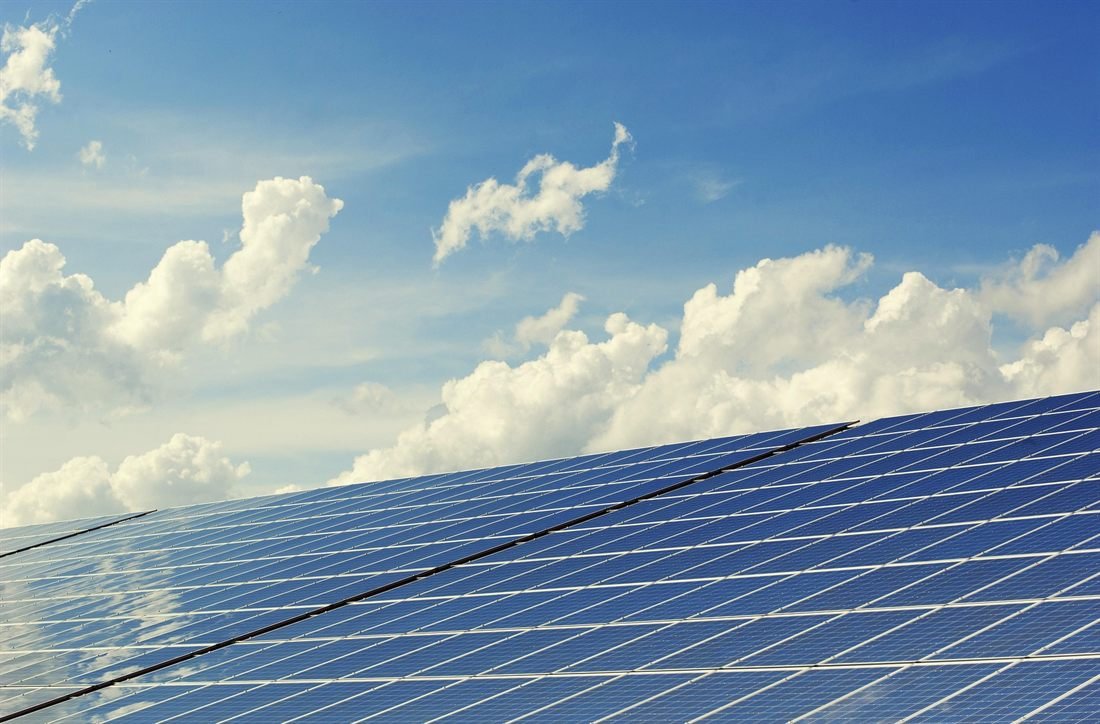
Solar panels against a blue sky

01 - Design Basis

Photovoltaic project design basis

The design basis is the foundation every photovoltaic project is built on, the preliminary work that turns a site into a buildable, financeable plan. It runs from first site analysis all the way to signed documentation.

Site analysis
  • Solar irradiance and available sunlight
  • Shading analysis to locate shaded areas
  • Orientation (azimuth) and tilt for optimal exposure
  • Available area for installation
Load analysis

Determining the energy needs of the site (from historical usage or projected demand) to size the PV system correctly.

System sizing
  • System capacity in kilowatts or megawatts
  • Number of modules required
  • Inverter and storage (battery) sizing
Component & electrical
  • Modules selected for efficiency, durability and cost
  • Inverter type (string or micro) and mounting structures
  • DC and AC wiring designed to electrical code
  • Protection systems and metering
Financial analysis
  • Equipment, installation and maintenance costs
  • Payback period and return on investment
  • Available incentives, tax credits and rebates
Documentation & support
  • Engineering drawings and technical specifications
  • Operation and maintenance manuals
  • Construction oversight, commissioning and training
Engineer reviewing a solar array

02 - Structural Design

Structural design parameters & load reports

Determining the structural design parameters (and generating the wind and earthquake load reports that follow from them) is what keeps a photovoltaic structure standing. This is the technical core of a safe PV project.
Wind load determination
  • Loads from local wind speed, topography and height
  • Exposure category and wind directionality
  • Applied to ASCE 7 (US) and Eurocode standards
Earthquake load determination
  • Seismic hazard from local activity and geotechnical data
  • Site-specific loads by soil type and seismic zone
  • Adherence to IBC (US) and Eurocode 8
Structural analysis
  • Verification against calculated wind and seismic loads
  • Finite-element modeling and analysis
  • Dynamic effects of wind and seismic events
Foundations & racking
  • Foundations sized to soil bearing capacity and settlement
  • Footing or pile selection by soil condition
  • Racking designed for strength, corrosion resistance and stability
Load reports & compliance
  • Comprehensive design-load reports
  • Compliance with local codes and standards
  • Documentation for permitting and third-party review
Assurance
  • Risk identification, safety factors and redundancy
  • Peer review and verification of calculations
  • Long-term monitoring and maintenance recommendations
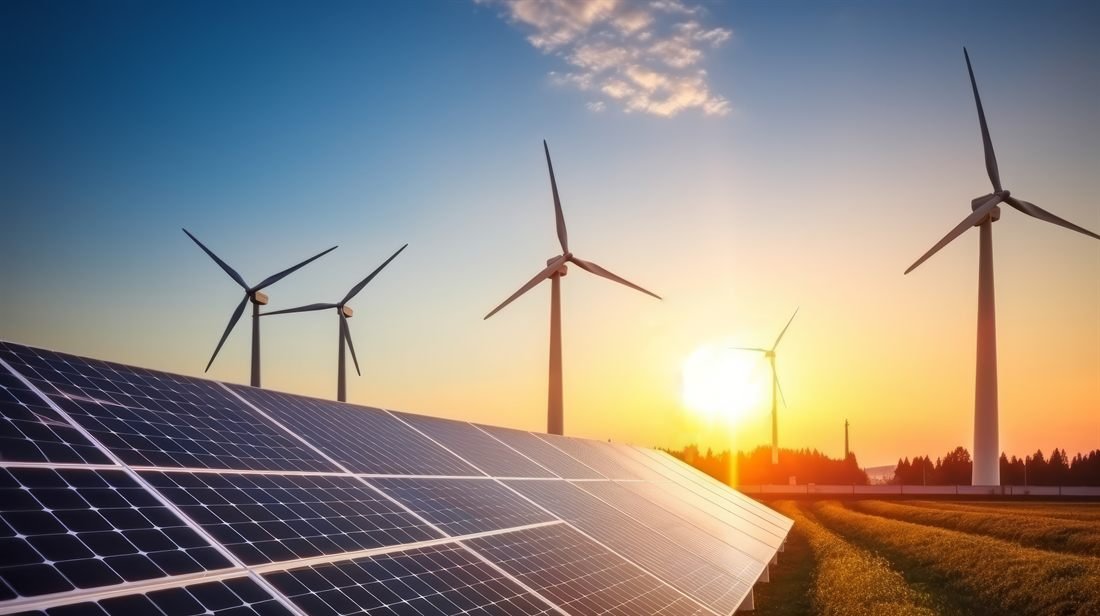
Wind turbines and solar panels at sunset

03 - Wind Load Studies

Site-specific wind load studies

A site-specific wind load study assesses the wind forces that can act on a PV system at a particular location, so the structure is designed for the wind it will actually face, not a generic assumption.

Site data collection
  • Historical wind speed and direction from nearby stations
  • Terrain and obstacle mapping that affects wind flow
  • Exposure category, open, suburban or urban
Standards review

Application of the relevant national and international codes (ASCE 7, Eurocode) alongside local building requirements.

Wind load calculation
  • Basic wind speed determination for the site
  • Gust factors and dynamic effects
  • Pressure coefficients by structure geometry
  • Exposure coefficient for the surrounding landscape
Wind tunnel testing

Scale-model testing where warranted by complex projects or highly variable wind conditions.
Structural response
  • Evaluation of the system under calculated loads
  • Identification of critical points needing reinforcement
Report & recommendations
  • Full study with methodology, results and diagrams
  • Racking, orientation and anchorage recommendations
  • Compliance verification and ongoing monitoring
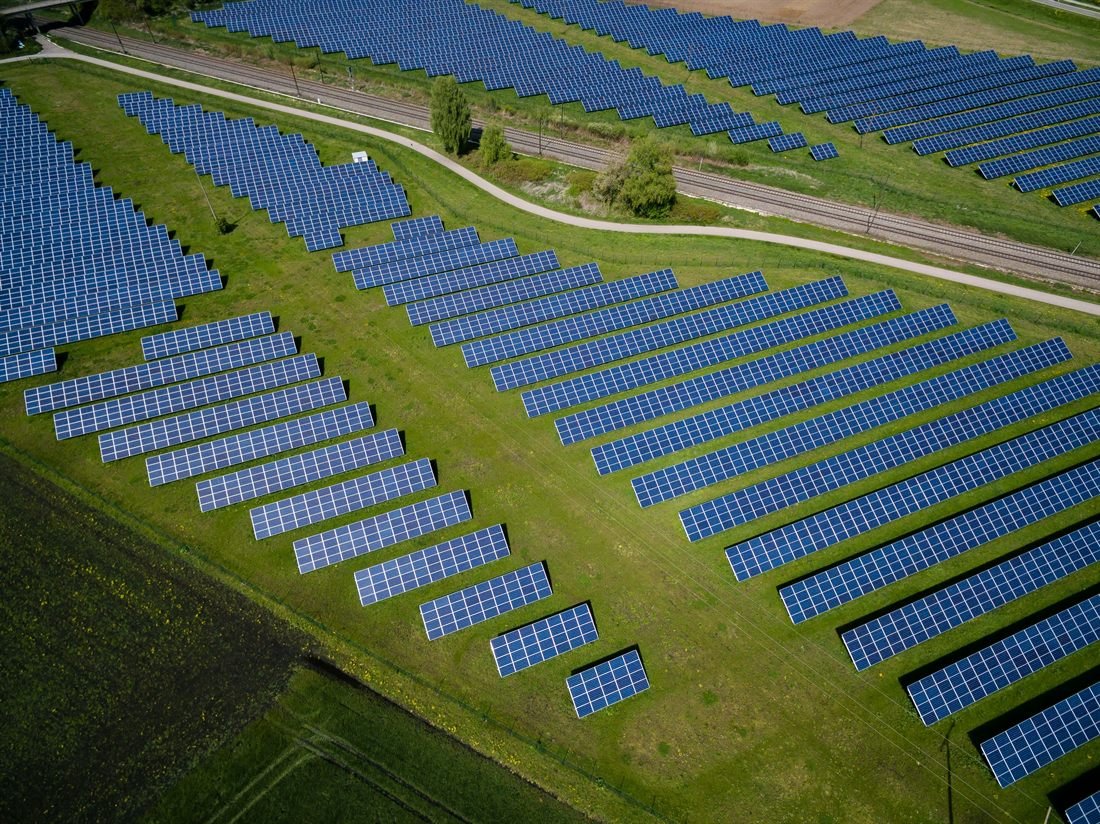
Aerial view of a solar farm

04 - Seismic Studies

Site-specific studies for earthquake loads

A site-specific seismic study evaluates the ground-motion and seismic forces a PV system could experience, so the array is designed to withstand the earthquake conditions unique to its site.

Site data collection
  • Seismic hazard data, fault lines and ground-motion records
  • Soil and geotechnical properties, including liquefaction potential
  • Topography and its influence on seismic behavior
Standards review

National and international seismic codes (IBC, Eurocode 8) with local building requirements.
Seismic load calculation
  • Site parameters, PGA, spectral acceleration, design category
  • Seismic coefficients by structure configuration and damping
  • Design ground motion, horizontal and vertical
Structural response
  • System evaluated against calculated seismic loads
  • Dynamic analysis and modeling
  • Assessment of potential failure modes
Foundations & racking
  • Foundations designed for stability under seismic loading
  • Racking detailed to accommodate seismic movement
Report & recommendations
  • Full study with response spectra and base-shear results
  • Reinforcement and connection recommendations
  • Compliance verification and ongoing monitoring
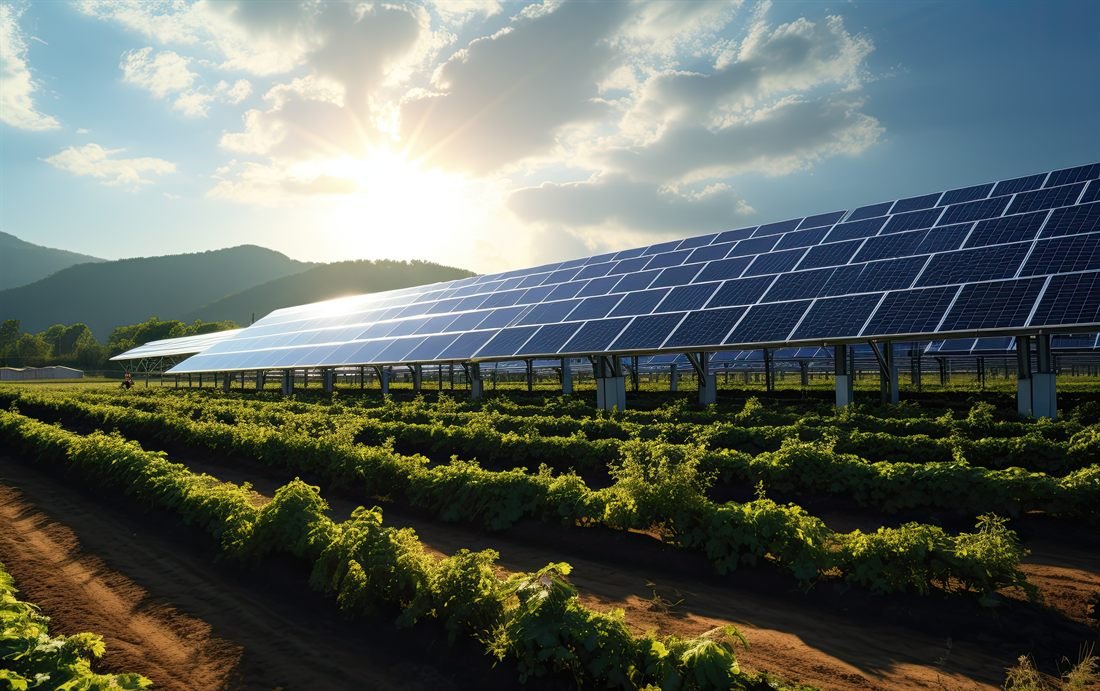
Elevated solar support structures over cropland

05 - Support Structures

Support structures for fixed solar panels

Analysis and design of the support structures that hold fixed solar panels, the tables, foundations and connections that keep modules stable, durable and correctly oriented through every load a site can throw at them.

Site assessment
  • Topographical survey of terrain and obstacles
  • Geotechnical soil analysis for bearing capacity, erosion and settlement
Environmental loads
  • Site-specific wind analysis
  • Seismic evaluation for the region
  • Snow and ice loads where the climate demands it
Design requirements
  • Material selection (steel or aluminium) for strength and corrosion resistance
  • Design to ASCE 7 and Eurocode standards
Load calculations
  • Dead loads (modules, structure and equipment
  • Live loads) maintenance personnel and equipment
  • Combined wind, seismic and snow/ice loads
Structure design
  • Mounting systems for correct tilt and orientation
  • Foundation design, footings, ground screws or piles
  • Connection detailing (bolts, welds) for full integrity
Optimization & assurance
  • Cost, material and installation efficiency
  • Modular, scalable designs for future expansion
  • Safety compliance, peer review and construction support
Close-up of a solar panel array

06 - Calculation Reports

Structural calculation reports

A structural calculation report is the signed, comprehensive document that demonstrates the structural integrity and safety of a project. Prepared and sealed by a licensed engineer, it is what turns analysis into accountability.

Project overview
  • Description, purpose, location and size of the structure
  • Design criteria and assumptions, dead, live, wind and seismic loads
  • Material properties and environmental conditions
Structural analysis
  • Methodology, finite-element or manual calculation
  • Load calculations and distribution through the structure
  • Structural models illustrating load paths and critical points
Design calculations
  • Member design, beams, columns, slabs, foundations, connections
  • Reinforcement and connection detailing
  • Compliance checks against relevant codes
Material specifications
  • Steel grades, concrete types and material properties
  • Quality-control measures during construction
Drawings & diagrams
  • Structural drawings with dimensions and reinforcement
  • Load-path diagrams down to the foundation
Review & sign-off
  • The seal and signature of the licensed engineer
  • Independent peer review where applicable
  • References, appendices and supporting data

Scope your project

Tell us about your project. We'll tell you what it needs.